🧵 Sashiko Embroidery Workshop: The History & Origins of This Timeless Art
- Token Studio
- 3 days ago
- 5 min read
Introduction to Sashiko
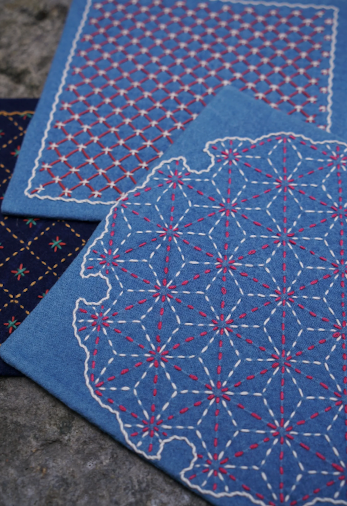
Sashiko 刺し子 means literally "little stabs / small piercings" — a traditional Japanese folk craft with roots going back at least 400 years, widely practised since the Edo Period (1603–1868). It began entirely from practical necessity: in rural northern Japan, textiles were extremely precious and scarce. People used simple running stitches to reinforce, repair, thicken and warm up their clothing and household fabrics, making them last many years longer. Over time, this functional skill evolved into a beautiful art form, but its core spirit remains unchanged.

✨ The True Philosophy & Beauty
This is what makes Sashiko special, and very sustainable:
"The more you use the fabric, the more you wash it, the more you wear it — the more the thread softens and slowly blends into the fabric itself. Eventually, thread and material become one, growing more beautiful with age."
It is the beauty of time, patience, and care — valuing what you have, instead of replacing it. This connects directly to the Japanese idea of mottainai: a deep respect for resources, never wasting anything.
To practice Sashiko well, we focus on 4 core elements: Thread, Needle, Thimble, and Fabric.
1. Sashiko Thread — The Soul of the Craft

Very different from ordinary sewing or embroidery thread.
✅ History & Traditional Production
• Originally 100% hand-twisted — two main reasons:
1. Long ago, no machines existed to make thread; every single piece was twisted by hand, a labour of care.
2. The thread is traditionally made of multiple cotton strands twisted firmly together, giving it its characteristic thickness and texture. In old times, there was no industrial way to produce this thick, multi-strand structure — so people made it themselves.
• Today: We still use the same specification (6 strands twisted together), now made by machine — same quality, much easier to use, while keeping every traditional quality intact.
✅ Material & Qualities
• Only 100% pure cotton — historically and today. Soft, strong, durable, and ages beautifully.
• Structure: Loosely but firmly twisted — never separate into strands, use whole. This lets it sit slightly raised on fabric, creates texture, and softens over time to merge perfectly with the fabric weave.
• Colour: Traditional: white thread on indigo blue fabric, or blue on white — simple, elegant, high contrast. Modern workshops use all colours, beads, and designs — but always keeping the same thread structure.
2. Sashiko Needle — Designed for Strength, Not Damage

✅ Design & Purpose
• Traditional Sashiko needles are THIN-BODIED, slender, with a relatively SMALL EYE (hole).
• Yes — it makes threading a little tricky at first — but this is intentional, and here is exactly why:
Ordinary needles are thick, with big eyes, and wider points. When you use them, they cut or push apart fabric threads, leaving big holes. Over time, this loosens the weave, weakens the material, and causes permanent damage.
◦ Our fine, slender needle slides between the fabric threads, not through them — so your fabric stays strong, tight, and intact forever. That is the true design!
• Length: Usually longer than ordinary needles, so you can pick up 3–5 stitches at once before pulling through — this creates the smooth, rhythmic running stitch we use for every pattern.
3. Thimble — Tool of Tradition, but Optional

Traditional type: Ring-style thimble, worn on the middle finger of your working hand. Historically metal; today available in metal, plastic, wood, leather, silicone — all shapes, colours and sizes.
• Purpose: Protects your finger and helps you push the needle smoothly through fabric so you can stitch comfortably and evenly for hours.
• Our advice: Metal thimbles are always a great, durable choice if you have one — but use whatever works for you.
4. Fabric — Most Important Choice
This is where Japanese textile thinking is very different from Western ideas.

✅ Japanese View of Quality
• In many Western traditions, fabric is judged by how tight, stiff, firm and unyielding it is — tighter weave = higher quality.
• In Japan: We value softness, comfort, natural feel and flexibility above all. Traditional clothing and crafts are always soft, relaxed, and made to be lived in. This applies perfectly to Sashiko.

✅ BEST Fabrics to Use
Always choose natural fibre, NON-STRETCHY, single-layered fabric:
✅ Cotton — medium weight or slightly thicker; most traditional, easiest to work with
✅ Linen — beautiful texture, ages wonderfully
✅ Hemp — original traditional choice, very strong and soft
✅ Denim — sturdy, great for bags, mats, jackets
All these are:
• Even, stable weave — holds stitches well, no distortion
• Breathable, natural — becomes softer and more beautiful with use and washing
• Durable — made to last years

Sashiko is NOT about perfect stitches or strict rules.
It began as the craft of ordinary people, making their clothes and belongings last longer with love and care. Whether you use traditional tools or your own favourites, simple patterns or colourful designs — what matters most is the time you spend creating, and the beautiful, durable piece you make that will be loved and used for years to come.
✨ Tradition Reimagined: What This Workshop Is All About
What we value and appreciate most comes directly from this rich tradition — but today, Sashiko has evolved far beyond its original roots. People around the world have taken this craft to a whole new level, blending it seamlessly into modern fashion, everyday life, and sustainable living. It has become a beautiful way to upcycle and renew what we already own: adding new life to old clothes, jackets, jeans, or household textiles, turning worn or loved items into something unique and precious again.
Personally, this is exactly why I fell in love with Sashiko — whenever I think about throwing away a piece of clothing, a jacket, or a pair of jeans, I always pause and ask myself: “Can I add a little Sashiko to this? Can I make it special again?” Just a few stitches are often enough to completely refresh a piece, “spice it up”, and give it many more years of use and joy.

That is the heart of what we do here at Token Studio. We honour the traditional spirit of Sashiko, while blending it with modern creativity — which is why we also introduce beautiful beads into our designs. We bring together the best of both worlds: tradition and innovation, practicality and beauty, calm and creativity. It is a craft that is wonderfully therapeutic to make, endlessly fashionable to wear or use, and deeply meaningful — reminding us that the most beautiful things are often the ones we make, care for, and keep close to us.
Enjoy every stitch! 🧵
📌 Join Our Workshop
At Token Studio, we are respectfully hosting this craft workshop to share this wonderful practice with you.
You can approach this experience in many ways: treat it as peaceful therapy, a moment of calm and creativity away from busy days; or take it as a valuable life skill — one that lets you redesign your own clothing and fabrics, repair and renew what you own, and upgrade your entire wardrobe to a whole new artistic level.
We invite you to come along, enjoy the process, and create something truly meaningful with your own hands.


Comments